Skip to main content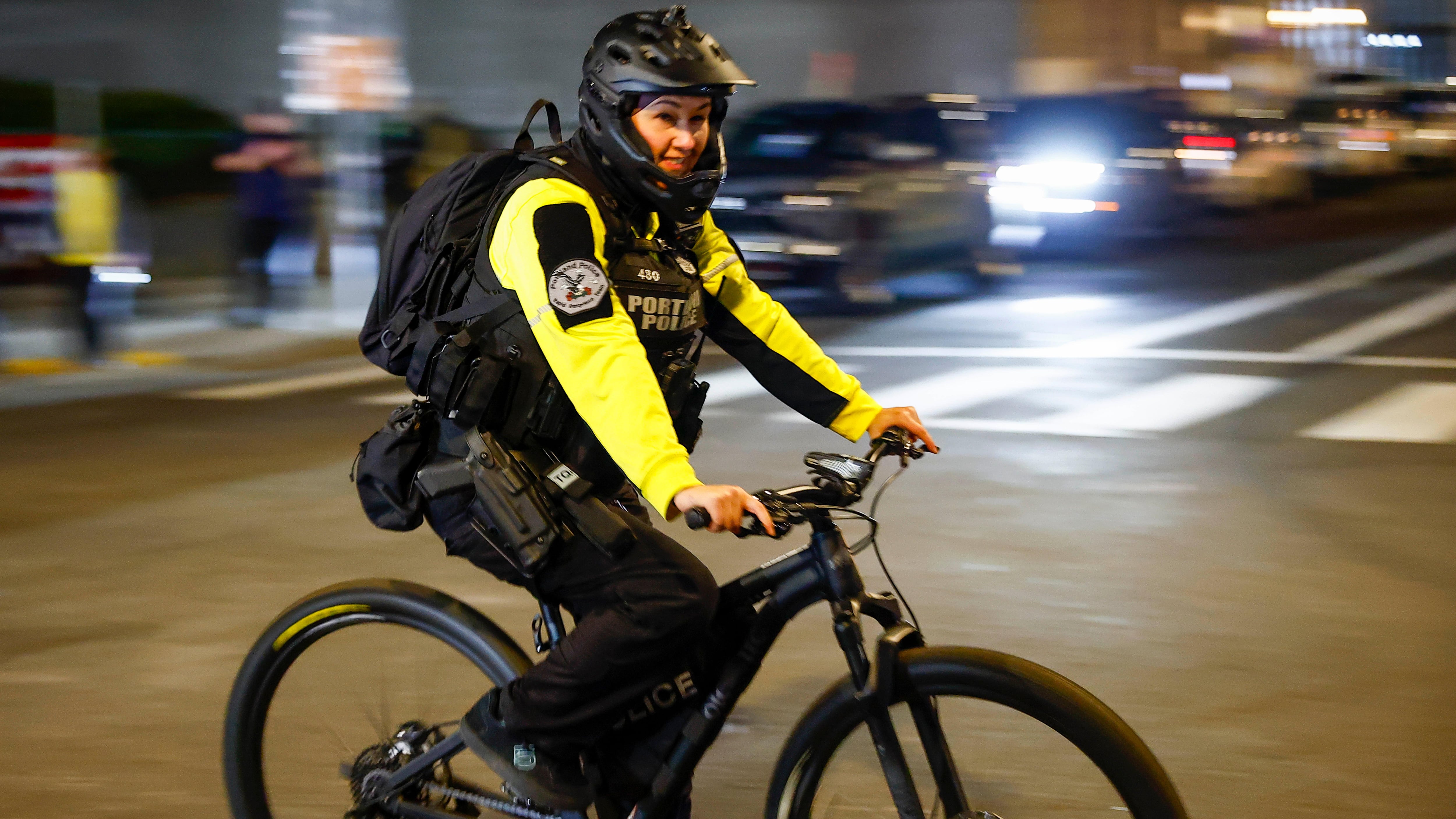
A ballot initiative backed by the Portland Police Association will seek to reroute 25% of revenues from the Portland Clean Energy Fund tax to fund the hiring of 400 additional police officers.
Backers of the initiative will seek to place it on the November 2026 ballot. To do so would require 40,437 signatures—or 9% of the total number of registered voters in the city.
The initiative, should it clear the signature threshold and receive a ballot title, is sure to be deeply controversial. Backed by progressive social justice groups and climate advocates in 2018, the PCEF tax is a first-of-its-kind tax that imposes a 1% sales tax on large retailers operating in Portland. The revenues go toward creating jobs for people of color to build infrastructure that can withstand the effects of climate change.
But after bringing in larger-than-expected revenues for five years in a row, the former City Council opted last year to raid the fund and rerouted some excess revenues to climate-related city projects. It helped backfill shortages in certain bureaus loosely connected to the goals of PCEF, a move that came with some criticism from the nonprofit groups that backed passage of the fund.
Now, a group of pro-police Portlanders—including the police union—are trying to mine PCEF for what is likely to be a more controversial purpose: the hiring of more police officers.
The biggest financial backers so far include the PPA and Jeff Swickard, a car dealership owner who recently made headlines after his purchase of U.S. Bancorp Tower, or “Big Pink.” Swickard purchased the downtown office tower for $45 million only 10 years after it last sold for $372 million.
Both the PPA and Swickard contributed $25,000 to the political action committee set up to support the initiative, according to a memo obtained by WW. The donations are not yet publicly recorded in the state’s campaign finance database, so it’s unclear who else may have donated to the PAC.
The memo notes that backers are seeking to beef up the city’s police ranks so the force would be roughly the same size as that of other major cities. Portland currently hovers around 800 officers—or 1.2 officers per 1,000 residents. The national average is 2.4 officers per 1,000 residents.
“Too few officers means victims wait longer, suspects slip away, and officers arrive after violence has escalated. This initiative is critical to give Portlanders the number of police they need and the safety they deserve,” Aaron Schmautz, president of the police union, said in a statement. “More officers isn’t the only solution for a safer Portland, but it’s a long overdue ingredient.”
The chief petitioners are Bob Simril, who ran unsuccessfully for Portland City Council last year, and Juanita Smartwood, a Lents resident who used to work for Prosper Portland. Smartwood was the chief petitioner of a 2023 measure backed by Portland real estate investors and Oregon business owners that sought to recriminalize the possession of small amounts of drugs—an initiative dropped after the Oregon Legislature undid major parts of Measure 110, which had decriminalized possession in 2020.
City Council president Elana Pirtle-Guiney in a statement said PCEF should remain intact.
“We should not be diverting these voter-approved funds to unrelated budget needs,” Pirtle Guiney said.