Skip to main content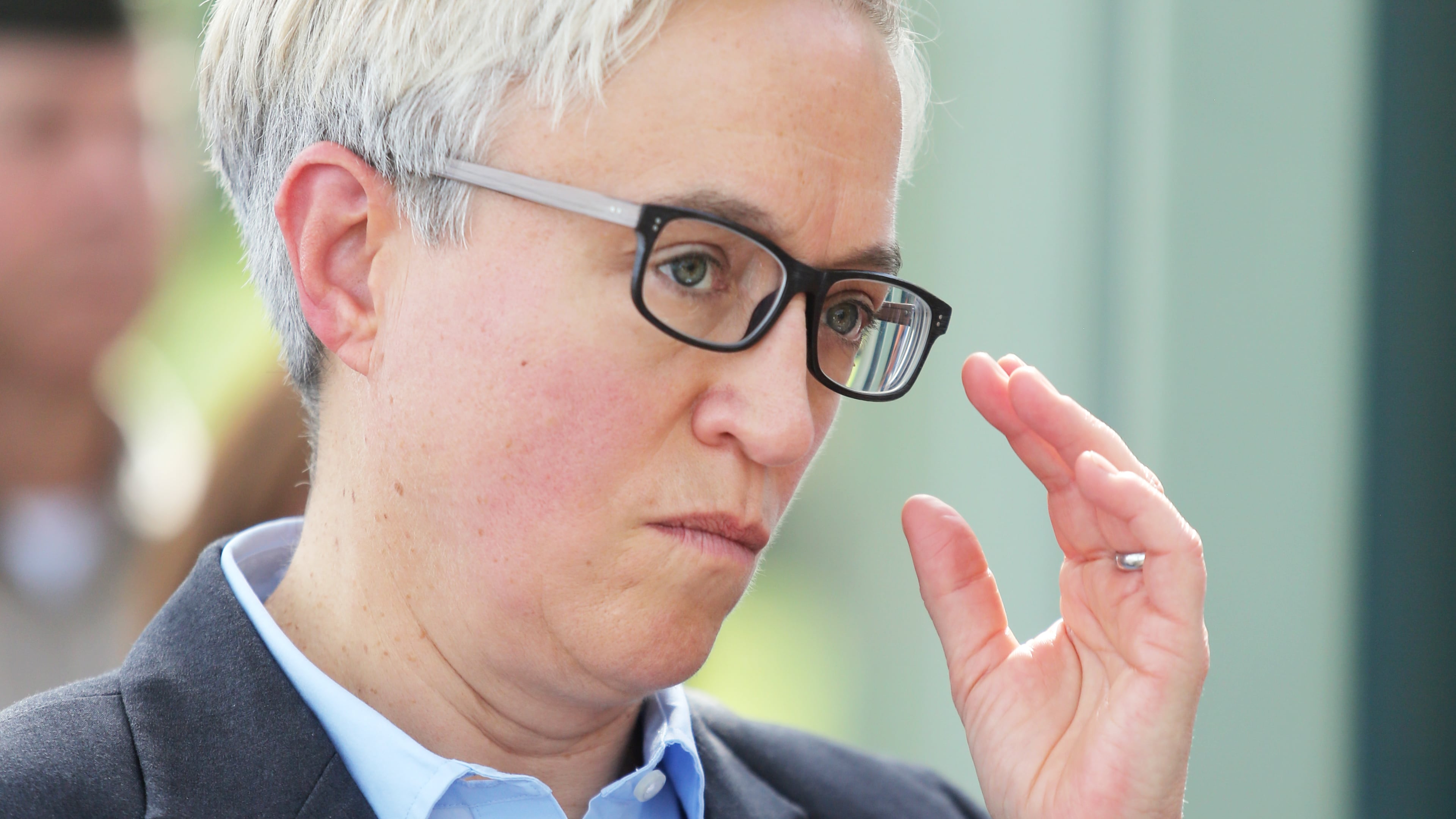
In a brief statement Friday evening, Gov. Tina Kotek said she may veto House Bill 4177, a measure that would change public meetings law in ways that critics say would undermine transparency.
The Oregon Legislature passed the bill in the spring session in an effort to course-correct a 2023 state law that made sweeping, and in some ways highly restrictive, changes to public meetings. The 2023 law prohibited local elected officials from engaging in “serial communications” to essentially operate as a quorum outside of the public eye. (An easy way to think of a serial communication is like a game of telephone: If one city councilor talks to another about a policy and where they stand on it, and that councilor runs into a colleague in the hallway and describes what was discussed with the first councilor, that would constitute a serial communication that effectively formed a quorum.)
But as first detailed by WW in a May 2025 story, the new law and how it was interpreted by the Oregon Government Ethics Commission, which trained elected officials across the state how to comply, spread confusion among local governments. The Portland City Council was no exception: Councilor Steve Novick told WW at the time that the bill resulted in ”public meetings where councilors seem completely confused, and the public is wondering, why haven’t you worked this out in advance?”
The Legislature tried to reduce that confusion with House Bill 4177. But watchdogs now urging Kotek to veto the bill take issue with a portion that exempts serial communication “made for the purpose of gathering information relating to a decision that will be deliberated upon or made by the governing body.” Critics say that provision creates a huge loophole for elected officials to make coordinated decisions outside the public eye, and do so legally.
Mostly publishers and journalism guilds have panned the 2026 bill as a sweeping overcorrection of the 2023 law. But the ethics commission itself is also among the critics. In a letter to the House Rules Committee in early March, the commission wrote that “this exception will allow governing body members to meet in private and/or communicate privately with each other, outside of any public meeting, in order to gather information.”
The commission continued: “The transparency and accountability that comes with public meetings, where the public has notice of what a governing body is discussing and the media can observe an executive session, will be lost.”
In other words, the ethics commission and newspaper publishers contend, the bill would in effect allow a quorum of a government body to meet in private.
Kotek has until April 17 to make a decision.
“The governor understands the intent of the legislation; however, she is considering a veto because of concerns that parts of the bill may undermine transparency in the conducting of public business,” her office said in a statement.