Skip to main content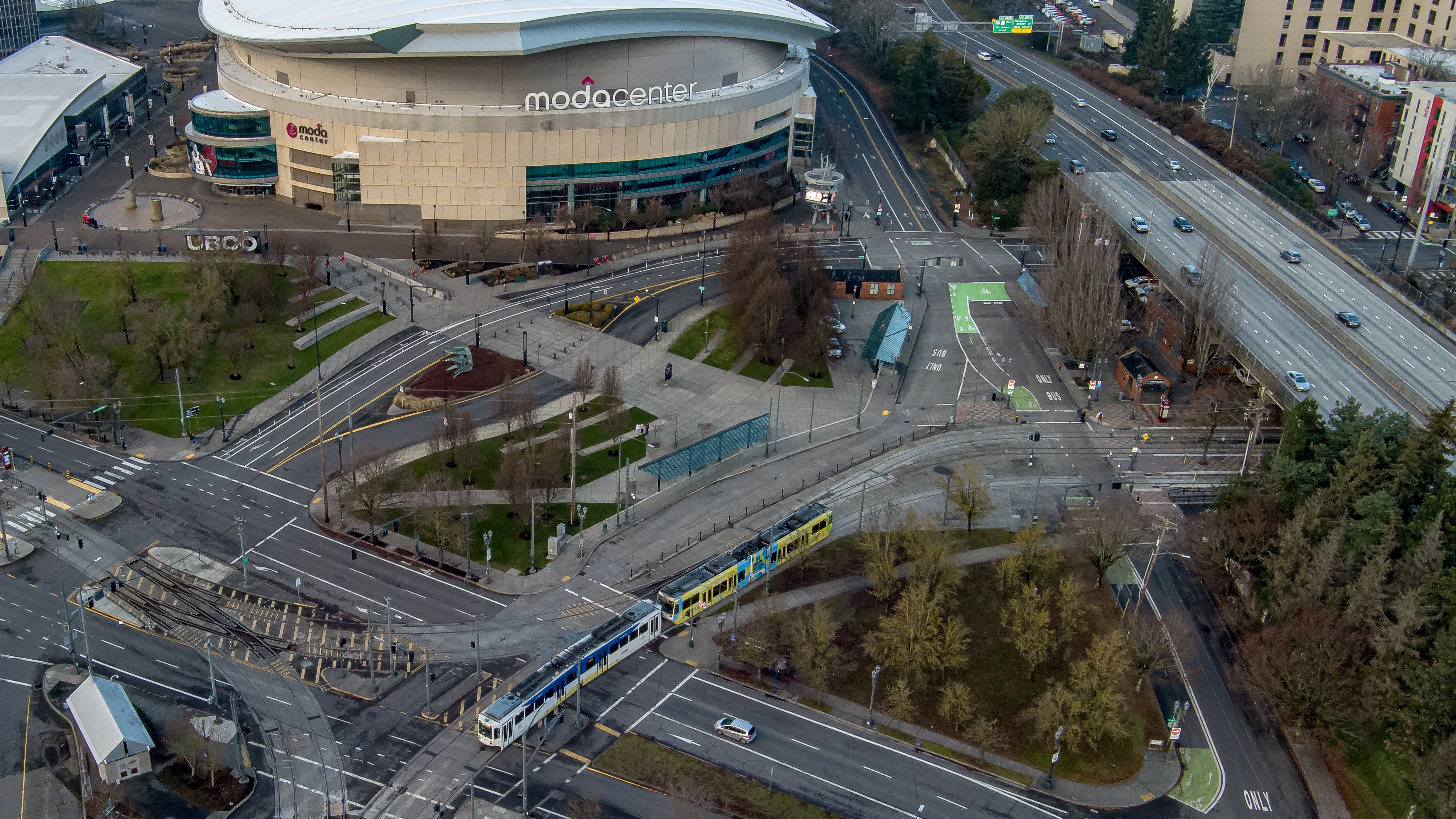
The Portland City Council will vote next week whether to issue all 9,000 city employees a TriMet fare card.
Budget documents show the city and TriMet have negotiated a one-year pilot program that would provide all city employees with full transit coverage, including TriMet buses, MAX and WES trains, and C-Tran local service.
An emergency ordinance was added by Mayor Keith Wilson to the consent agenda of the Sept. 2 City Council meeting. The ordinance would create a one-year pilot program running through Aug. 31, 2027, and cost the city up to an additional $245,000. The cost to the city per employee would be $55.
One impetus for the pilot program is the impending closure of all southbound lanes of Interstate 5 through the Rose Quarter starting Sept. 11. A five-week repaving and upgrade project is expected to significantly disrupt daily commutes.
“The city is looking for ways to help employees shift their trips so we can maintain staffing levels and keep city services running smoothly during the disruption,” mayoral spokeswoman Carrie Belding writes to WW.
The passes also suggest the mayor’s office is looking for new opportunities to chip away at two stubborn realities: the reluctance of city workers to return to downtown offices after years of remote work, and the post-pandemic decline in TriMet ridership.
Post-pandemic, Portland has struggled with a hollowed-out urban core as office workers, tourists and city residents have stayed away in greater numbers. The mayor has ordered city employees to return to the office, though the largest employee union has fought back.
A 2024 survey of city employees found approximately 24% took transit to and from work, 21.5% walked or biked, and 45% primarily drove. Of those who drove, more than half said stronger incentives could persuade them to use alternative modes of transportation.
For the past 30 years, Portland has offered financial incentives to city employees to use public transit through its Trip Reduction Incentive Program to reduce single-occupant vehicle commuting. The city currently offers employees a 50% discount on transit passes through TRIP and enrolls around 500 employees. If the pilot program is approved, those 500 employees would receive reimbursement for the unused portion of their passes.
Meanwhile, TriMet is facing what some observers describe as a public transit “doom loop”: Its ridership hasn’t recovered from a pandemic-era plunge, and its finances are so dire that it is now reducing service across the metro area.