Skip to main content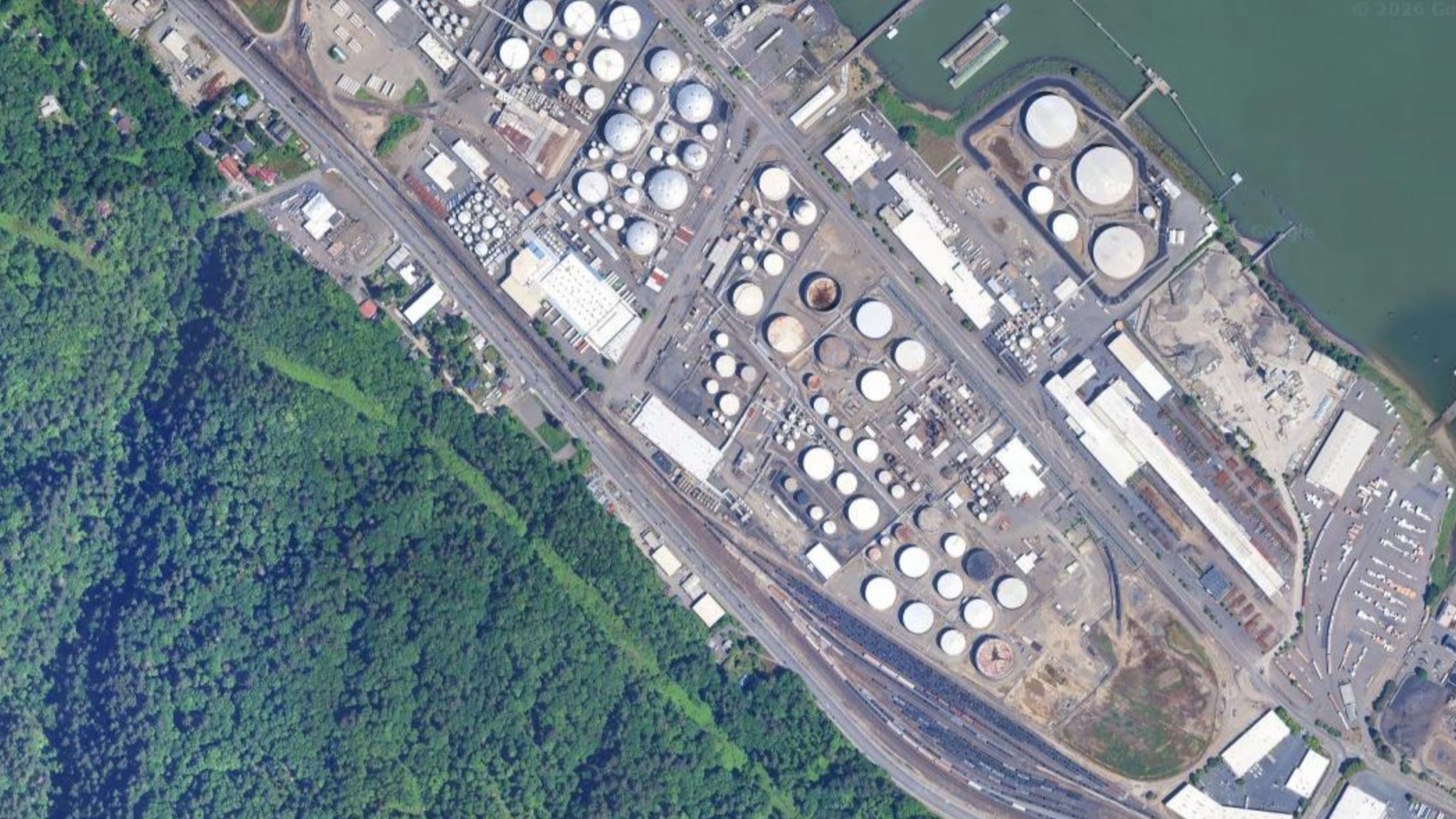
Zenith Terminals LLC filed a federal lawsuit today alleging the city of Portland has unreasonably delayed approving the transfer of Zenith’s franchise agreement with the city to a purchaser of the terminal.
Zenith operates a 39-acre, 1.5 million-barrel terminal that receives and distributes crude oil and refined petroleum products, including diesel and aviation fuels. The terminal, located on the Willamette River waterfront in Northwest Portland, includes a pipeline that runs underneath Northwest Front Avenue from a tank farm to a marine terminal on the river.
That pipeline runs through city right of way, triggering a requirement that it have a franchise agreement with the city. (Electric, natural gas and telecommunications utilities also hold franchise agreements with the city that require annual payments in exchange for the use of city right of way).
Under the city charter, any transfer of a franchise agreement requires approval by the Portland City Council.
In January, Zenith notified city officials it had struck a deal to to sell the terminal to ISQ Springer Holdings LLC, a Florida investment firm that owns other energy terminals in Europe and across the U.S.
On April 28, Eric Engstrom, director of the Bureau of Planning and Sustainability, notified council officials that his staff had completed due diligence on the proposed transfer.
“The city has received all of the documentation we requested regarding the request to transfer the Zenith franchise to ISQ Springer,” Engstrom wrote. “The franchise agreement with Zenith requires that the city not unreasonably withhold or delay its consent to a transfer if the conditions in the franchise agreement for such transfer have been met.”
But the first hearing on thetransfer did not take place until July 23 and the brief discussion ended prematurely before any of the 53 people signed up to testify could speak.
Zenith is now alleging in U.S. District Court in Portland that the city has “repeatedly and unreasonably delayed” approval of the purchase “in breach of its contractual commitments to Zenith.”
Environmental groups, including the Breach Collective, have long objected to the way Zenith has operated the terminal. The Oregon Department of Environmental Quality penalized Zenith in 2024 for unauthorized use of a dock in the Willamette, for instance.
Critics want the City Council to use the transfer of the franchise agreement to leverage greater control over the next owner. Nick Caleb, an attorney for climate advocacy group the Breach Collective, called on the council to renegotiate Zenith’s franchise agreement as part of any transfer, adding a provision for a third-party observer to make sure the terminal is operated within the terms of the franchise agreement.
Caleb and other critics did not get a chance to testify July 23 due to time constraints. In that hearing, Engstrom, the planning director, told the council that the city’s approval process is narrow and consists of verifying the “legal, technical and financial qualifications of a prospective transferee.”
Engstrom also noted that the process did not allow renegotiation of the agreement, which runs through 2037 and included payment of $48,000 last year. He ended his brief remarks by saying that “staff recommends the transfer.”
City Councilor Sameer Kanal, chair of the Finance and Governance Committee of the Whole, which heard the issue July 23, said he hoped to bring the matter back on Aug 6. But in the lawsuit, Zenith argues even if that hearing takes place, a final council vote is unlikely before September, more than eight months after the company asked to transfer the agreement. (When Zenith acquired the terminal in 2018, the transfer of the franchise agreement took just over a month.)
“The city’s delays have already cost Zenith over $10 million,” says the lawsuit. “If the City Council does not adopt the Consent Ordinance in the near term, the sale of the Portland Terminal to ISQ Springer under the PSA may not close, which could result in hundreds of millions of dollars in damages to Zenith.”
The lawsuit seeks to compel the city to approve the transfer immediately, as well as to compensate Zenith for “costs and expenses.” Zenith declined to comment further on the lawsuit.
Caleb of the Breach Collective said in a statement:“This is obviously a political strategy to try to bully the city council into rushing this franchise transfer approval without adequate public process.”
The City Attorney’s Office could not immediately be reached for comment, though the city typically does not comment on pending litigation.