Skip to main content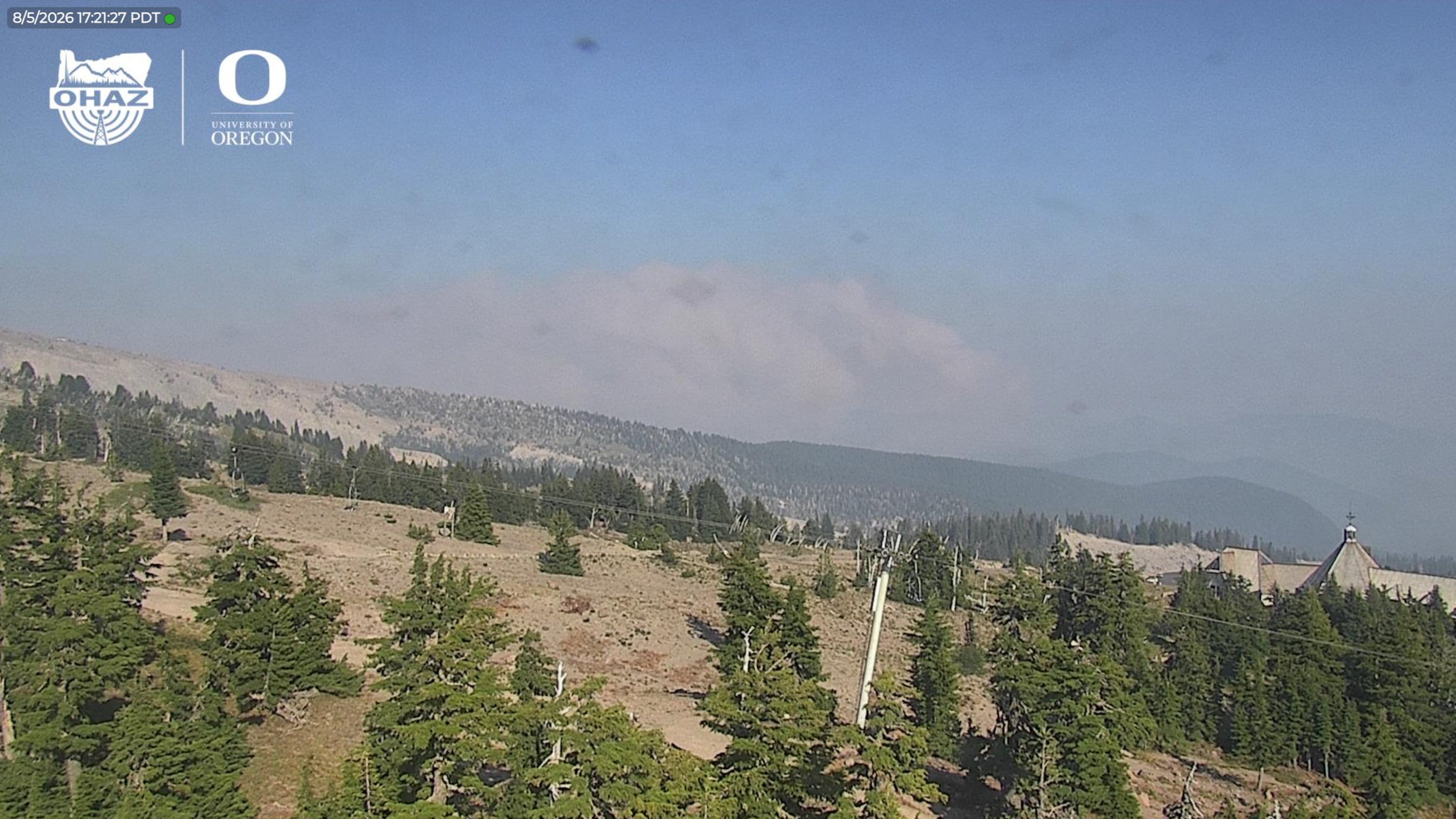
Most of Portland was wheezing under a thick layer of unhealthy smoke Wednesday as wildfire season revved into high gear across the Pacific Northwest.
So far this year, more than 2 million acres have burned in the region from 1,200 separate wildfires. And dozens were burning Monday, when a westward shift in wind carried smoke from Central and Eastern Oregon into the metro area—disrupting concerts, summer camps and club sports.
By Wednesday, Portland had some of the worst air quality among major cities in the world, according to IQAir and The New York Times, which ranked the Rose City No. 3 on its list of afflicted major American cities.
Portland’s air is now considered unhealthy for sensitive groups, according to the state Department of Environmental Quality, though many parts of the state were experiencing worse.
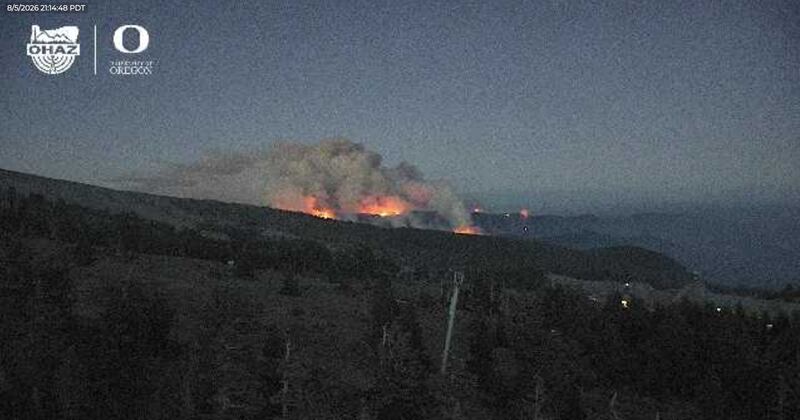
Much of the smoke now above Portland is from the Grasshopper Fire burning to the south of Mount Hood, according to Noah Alviz, a meteorologist with the National Weather Service. First reported July 23 west of Rocky Butte, the fire quickly spread aided by dry, hot conditions. It has burned more than 39,000 acres. It’s now 19% contained with more than 1,300 responders working the blaze. The historic Timberline Lodge on the south slope of Mount Hood has been placed under a Level 1 (get ready) evacuation order.
Oregon emergency departments have seen elevated numbers of visits related to wildfire smoke and heat exposure, according to officials with the Oregon Health Authority who briefed reporters Wednesday afternoon.
Gabriela Goldfarb, OHA environmental public health section manager, added that many of those affected are between 18 and 44, who tend to be healthier than other age groups.
“We speculate that people in high-risk groups, like older people, those with underlying health conditions, are taking steps to protect their health,” Goldfarb says. “But folks in that younger cohort might feel a little bit less vulnerable.”
The DEQ’s air quality alert will remain in effect until 11 am Thursday, though Alviz says the area won’t fully clear of smoke until Thursday night.
“The fires are obviously what’s contributing to all this wildfire smoke, but ultimately it’s the winds that determine where the smoke is going to go,” Alviz tells WW. “And we’ve been having these persistent winds from the east bringing smoke out here to the west side of the state. Hopefully by (Thursday) we’ll have more of those west winds to help clear out the smoke from the Portland metro area.”