Skip to main content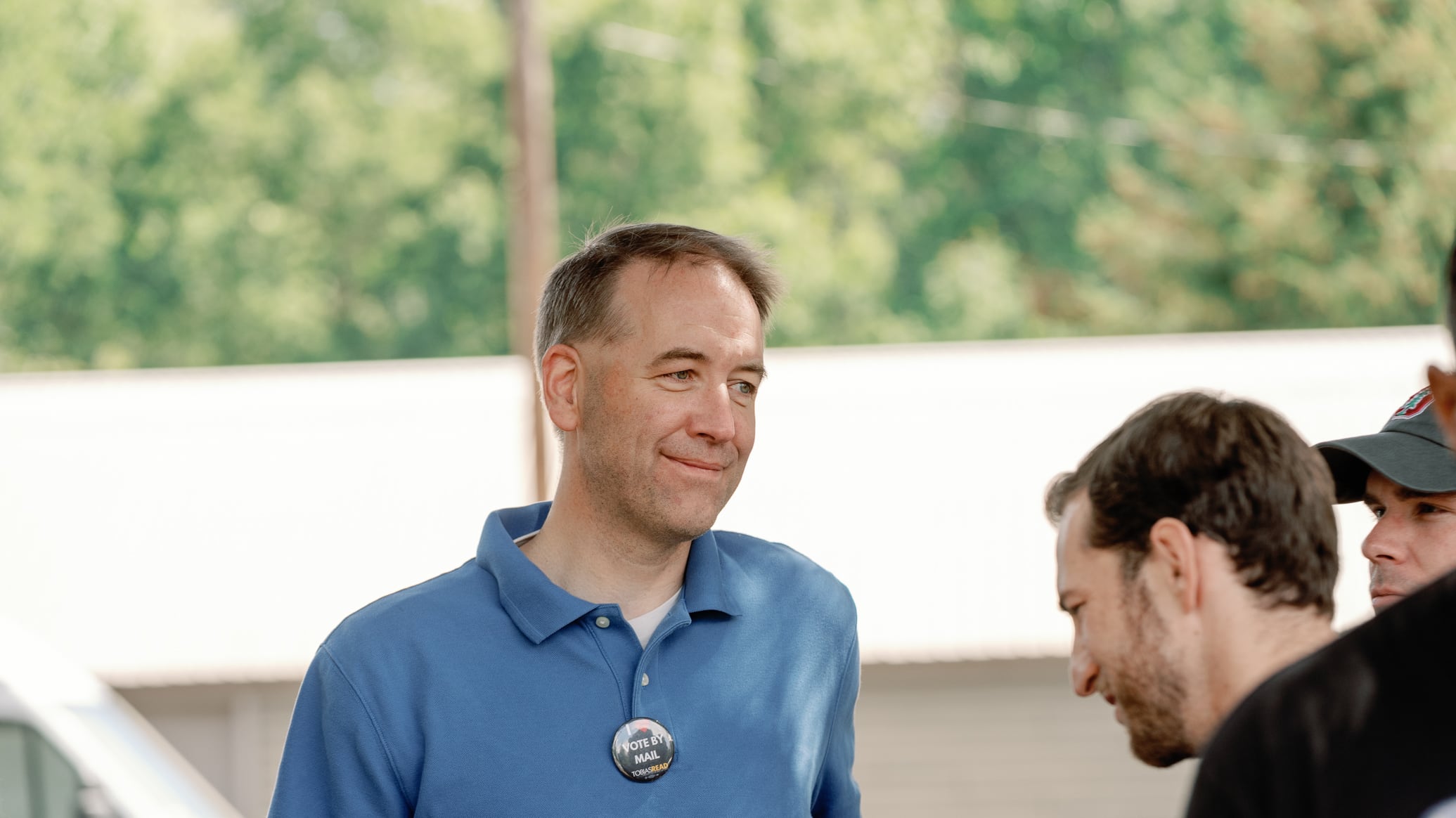
READ WARNS VOTERS TO DROP OFF BALLOTS: As a presidential order targeting mail-in voting plays out in the courts, Oregon Secretary of State Tobias Read made an extraordinary recommendation Sept. 8: Voters should submit their ballots at authorized drop boxes this midterm election rather than use the mail. Read appeared at a press conference alongside the governor and Oregon’s U.S. senators, saying, “We will continue doing everything we can to hold the Postal Service accountable.” Read is scheduled to testify Tuesday afternoon to a legislative Ways and Means subcommittee, where he’ll ask for $1.25 million in emergency funds for 20 additional drop boxes and to deploy BallotTrax ballot tracking software statewide (ballot tracking is currently used in five Oregon counties, including Multnomah). Read said cuts at the Postal Service have meant ballots now take longer to process. New data shows county clerks have rejected an increasing number of late-postmarked ballots since 2022. While expressing confidence in Oregon’s system, Read advised voters who plan to use the mail to submit their ballots at least a week early. At the moment, Trump’s executive order is blocked by a judge’s preliminary injunction. Some legal observers predict the U.S. Supreme Court will consider the merits of Trump’s order prior to Election Day, which is 56 days away.
SEARCH FIRM, PAID HANDSOMELY, STRUGGLES TO GET RESULTS: When Oregon State Hospital superintendent Dolly Matteucci retired in early 2024, state health officials turned to Illinois-based Spirit Consulting to find her successor. The first search failed. So did the second. The third produced a hire from Washington state, but he didn’t last long: OHA fired him in August after only a few weeks on the job. Now, as recruitment of a leader for Oregon State Hospital begins anew, OHA tells WW it does not plan to enlist Spirit Consulting’s help (and that the state won’t get a refund). This pivot comes after the major state agency says it paid the firm $171,714 for the three superintendent searches—a portion of the nearly $1 million the agency has paid Spirit Consulting to recruit leaders, mostly at OSH, since 2022. “Forensic psychiatric hospitals like the Oregon State Hospital are complex institutions that require an experienced leader with a specialized skill set,” OHA spokeswoman Marsha Sills tells WW. Getting the best possible candidate pool, she adds, involves local job postings, a statewide recruitment effort, and “the use of specialized health care executive search consultants, who offer expertise in national recruitment for complex leadership positions.” Spirit Consulting charges tens of thousands of dollars for a single search, in which it assists the state with recruiting, hiring and onboarding, a review of the contracts shows. Yet the results have not always been pretty. Oregon State Hospital, which has its main facility in Salem and receives nearly all of its patients from the criminal justice system, has seen significant leadership churn in recent years. As with the superintendent position, the outsourced searches have in key cases failed to produce a durable hire.
DEMOCRATIC SOCIALIST INCUMBENTS REACH 1,600 DONORS: Three of the six incumbents seeking reelection to the Portland City Council this November have each logged more than 1,600 campaign contributions through the city’s elections program—nearly 750 more than their centrist colleagues running for reelection. All three incumbents who broke 1,600—Councilors Tiffany Koyama Lane, Angelita Morillo and Mitch Green—are members of the Democratic Socialists of America, an organization known for its aggressive canvassing and ground game. Those are also the three incumbents who have unlocked the most money via the city’s Small Donor Elections program, which matches contributions by up to 10 to 1. According to its website, Koyama Lane has received $200,000 from the program; Morillo has received $160,000; and Green has received $162,000. The only nonincumbent who appears to have reached similar matching funds is bike cop Eli Arnold, who’s running in District 4. He’s received $194,000 in matching funds.
SHROOM FACILITATORS REVOLT AGAINST FEE HIKE PLAN: Early this summer, Bend therapist and shroom facilitator Sam Gross surveyed license holders in Oregon’s legal psilocybin program to see what they would do if the state followed through on its plan to double license fees. The study had its limits, but he says the overwhelming majority of the nearly 150 who responded said they would not renew at the proposed rates. To Gross, this undercuts the rationale for jacking up prices and suggests a structural problem facing Oregon’s first in-the-nation, and already struggling, legal psychedelic industry that is supposed to self-fund its regulation: Higher fees lead to fewer licensees, fewer licensees produce less revenue for the program, and the remaining licensees are then asked to shoulder an even larger share of the cost. (He and others say high costs in turn substantially limit public interest in the service.) Gross feels his findings made little impression on state officials—though, he adds, if they are skeptical of his results, they could conduct their own survey, which is “incredibly easy to do.” Still, in a notice this past month, the state seemed to have reached a similar conclusion, saying it “expects that an increase in licensing fees may reduce the overall number of licensees and create a more significant program budget shortfall.” Opponents of the fee hikes are organizing ahead of public feedback meetings this month. The Oregon Health Authority did not respond to questions by press time.