Skip to main content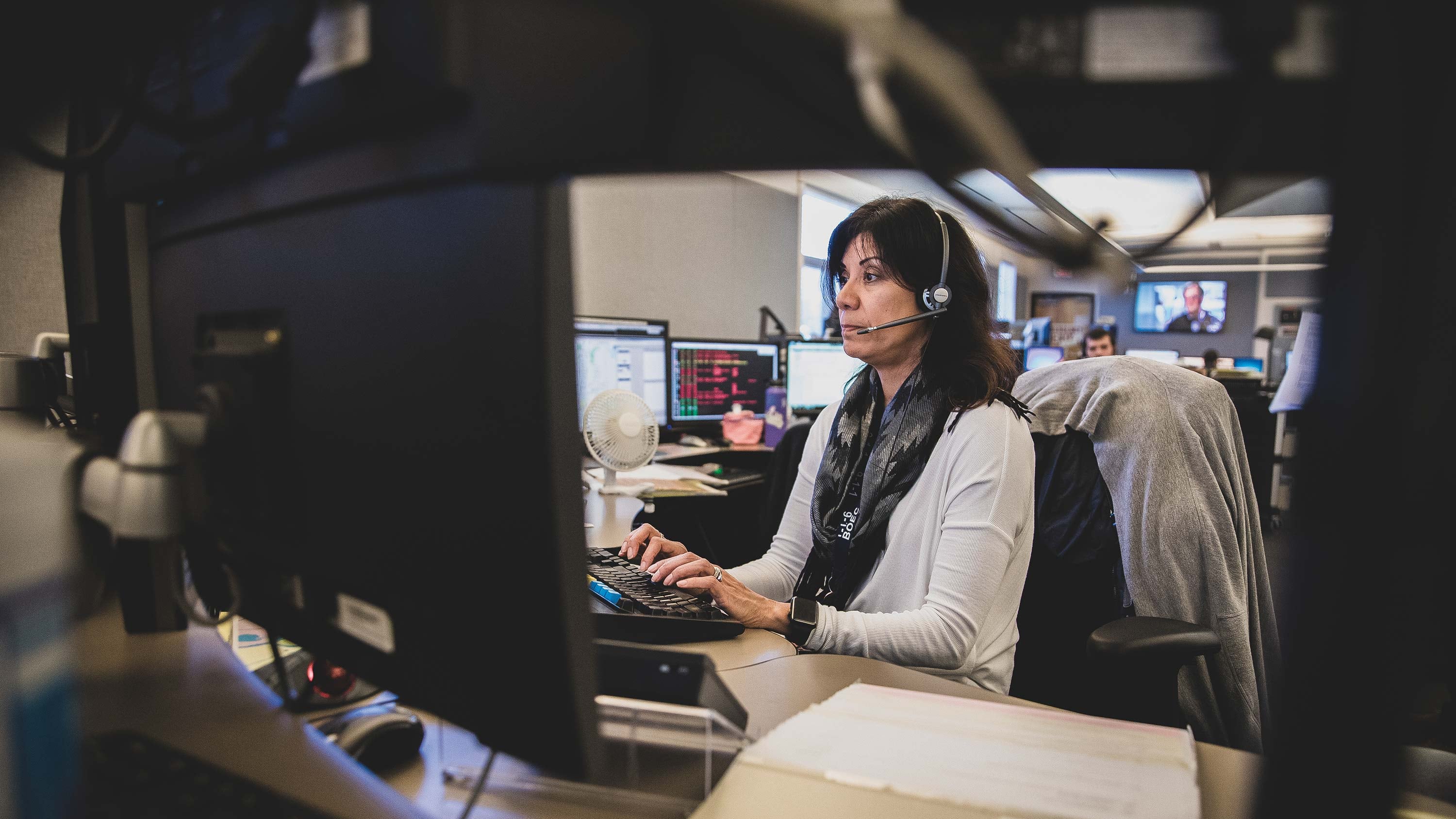
The city of Portland reduced its average 911 call wait time from 77 seconds in July 2022 to 18 seconds in January 2026, according to a city audit released Wednesday.
COVID-19 decimated the Bureau of Emergency Communications’ ranks at the same time that 911 call volume increased, a common pattern nationwide. By July 2022, the bureau had only 63 fully trained and certified senior dispatchers and 33 vacancies. That understaffing resulted in an average wait time of 77 seconds—the highest since at least late 2019. Furthermore, only 29% of calls were answered within the 15 second benchmark that month.
In response, BOEC’s training division told the city auditor that it had been “laser-focused” on recruitment over the previous four years. It recruited more often, held up to four training academies a year, and overhired to prevent future vacancy crises.
By January 2026, the laser focus had paid off. That month, the bureau had 91 senior dispatchers and only six vacancies, and had brought the average wait time down to 18 seconds. (That’s still longer than pre-pandemic wait times, which averaged 11 seconds in November 2019.)
However, that still doesn’t match the national standard that 90% of all 911 calls be answered within 15 seconds.
To be sure, the bureau’s hiring campaign had its troubles. Between July 2022 and December 2025, around 46% of dispatcher trainees were terminated or resigned, the audit found. (That retention rate of 56% is in the middle of the pack under a 2021 estimate by the public safety consultant Mission Critical Partners that 50% to 60% of dispatchers complete their training nationwide. The audit, which cited the 2021 estimate, did not note how that estimate might have changed in the wake of the pandemic.)
Those terminations and resignations were costly and added up. The audit found that in a period of about 3.5 years, the city paid $3.4 million in salaries, benefits, and related costs to trainees who didn’t complete their training. And that doesn’t count other recruitment, hiring, and training costs.
Furthermore, the dispatchers that did complete their training took on average 26 months to do so. During that time, the dispatch bureau’s goal was for 90% of trainees to complete the training in 18 months. The audit found that of the 39 dispatchers who completed the training during the period of the audit, only two—or 5%—did so in 18 months.
Training a dispatcher for the target 18 months costs approximately $137,000 in wages and benefits alone, the audit found, let alone hiring costs, overtime pay, premiums for coaches, and other pay. Each additional month of training past the 18-month mark costs an additional $7,500 or so, the city’s Public Safety Service Area told the auditor’s office.
Because of this mismatch in the target and reality of how long it takes to finish the dispatcher training, the bureau’s training division said in March 2026 that it was updating the training timeline target. The audit did not say what the new target was.