Skip to main content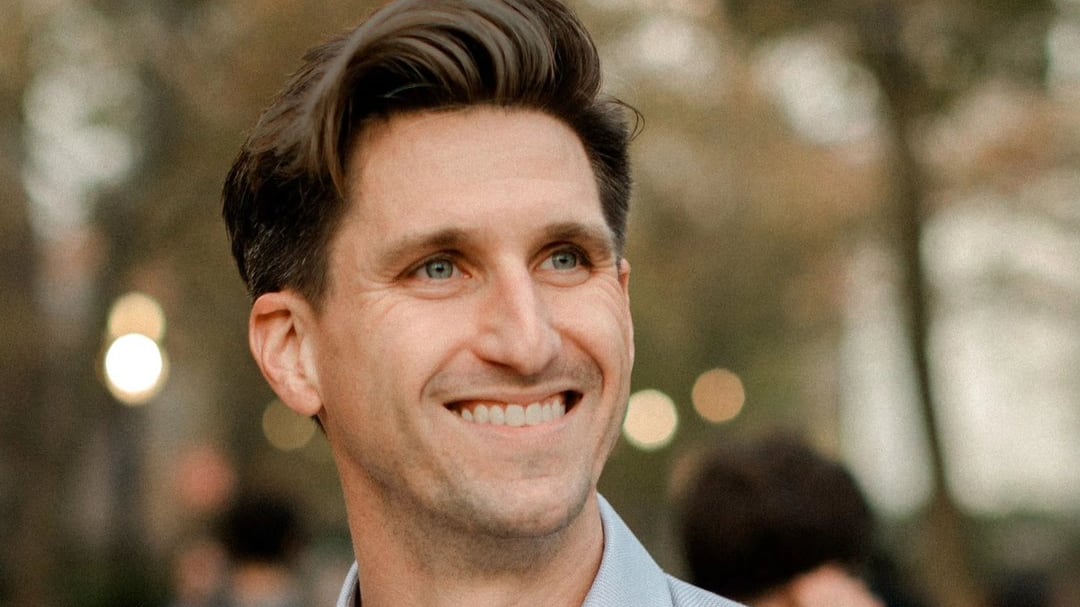
Brandon Mullen, a progressive City Council hopeful, ended his campaign for a District 3 seat on Saturday, after city elections officials determined he had not met residency and voter registration length requirements.
The city of Portland requires that council candidates reside and be registered to vote in the district they would represent for at least one year prior to the general election. In a July 14 letter the city shared with WW, Louise Hansen, the city’s elections officer, told Mullen that records indicated he had not qualified for the ballot.
Mullen dropped out of the race four days later.
“I had missed the cutoff by a week and a half or so, and that’s my fault,” Mullen said in a video statement. “It’s on me, period.”
Mullen tells WW that he did not recall seeing the one-year voter registration deadline, and that it was not stated in multiple places he looked. He’s asked that the City Auditor’s Office make it clearer in future. “Had I known about the one-year voter registration requirement, I would have registered right away,” he says. (He believes the auditor erred in determining he also hadn’t met the one-year residency requirement. He moved back to Portland on Oct. 27, he tells WW.)
Mullen, whose previous governmental experience included overseeing the city’s cannabis program, had joined at least nine other candidates in seeking one of three council seats representing District 3, which covers much of Southeast Portland and parts of Northeast.
All three incumbent District 3 city councilors—Steve Novick, Angelita Morillo and Tiffany Koyama Lane—are up for reelection this fall. All are seeking a second term. Morillo and Koyama Lane are Democratic Socialists and core members of the council’s progressive caucus, while Novick has more often than not joined the more centrist councilors on contentious matters. Those two blocs have grown increasingly divided since all 12 councilors took office in January 2025, resulting in frequent 6–6 stalemates.
If progressives or moderates gained an extra seat in City Council races this fall, they could break the stalemate and shake up the choices the council makes. Novick has faced heat from progressive groups who’ve sought a third leftist candidate to unseat him. (Similarly, business groups will work this election to oust Morillo and Koyama Lane.)
Morillo wrote on social media in May that she felt Novick had betrayed his progressive colleagues, and “I’d love a Morillo Mullen Koyama-Lane trifecta.” While she never formally endorsed Mullen, the two have amplified each other’s campaign posts since, and appeared together at such events as a protest of public subsidy for the Moda Center arena. His withdrawal from the contest means progressives will need to unite behind another candidate in order to unseat Novick.
Mullen has spent more than a decade in politics, working as a cannabis program manager for the city of Portland and a program manager at regional government Metro. According to his LinkedIn, he’d taken a gig in August 2024 as a senior project manager in New Haven, Conn., where he worked through September of last year. He tells WW he came back in October.
Mullen had received enough small contributions from Portlanders to possibly be eligible for up to $43,000 in matching campaign funds under the city’s Small Donor Elections program, but because he was never certified, he never received that money.
Sophie Peel contributed reporting to this story.