Skip to main content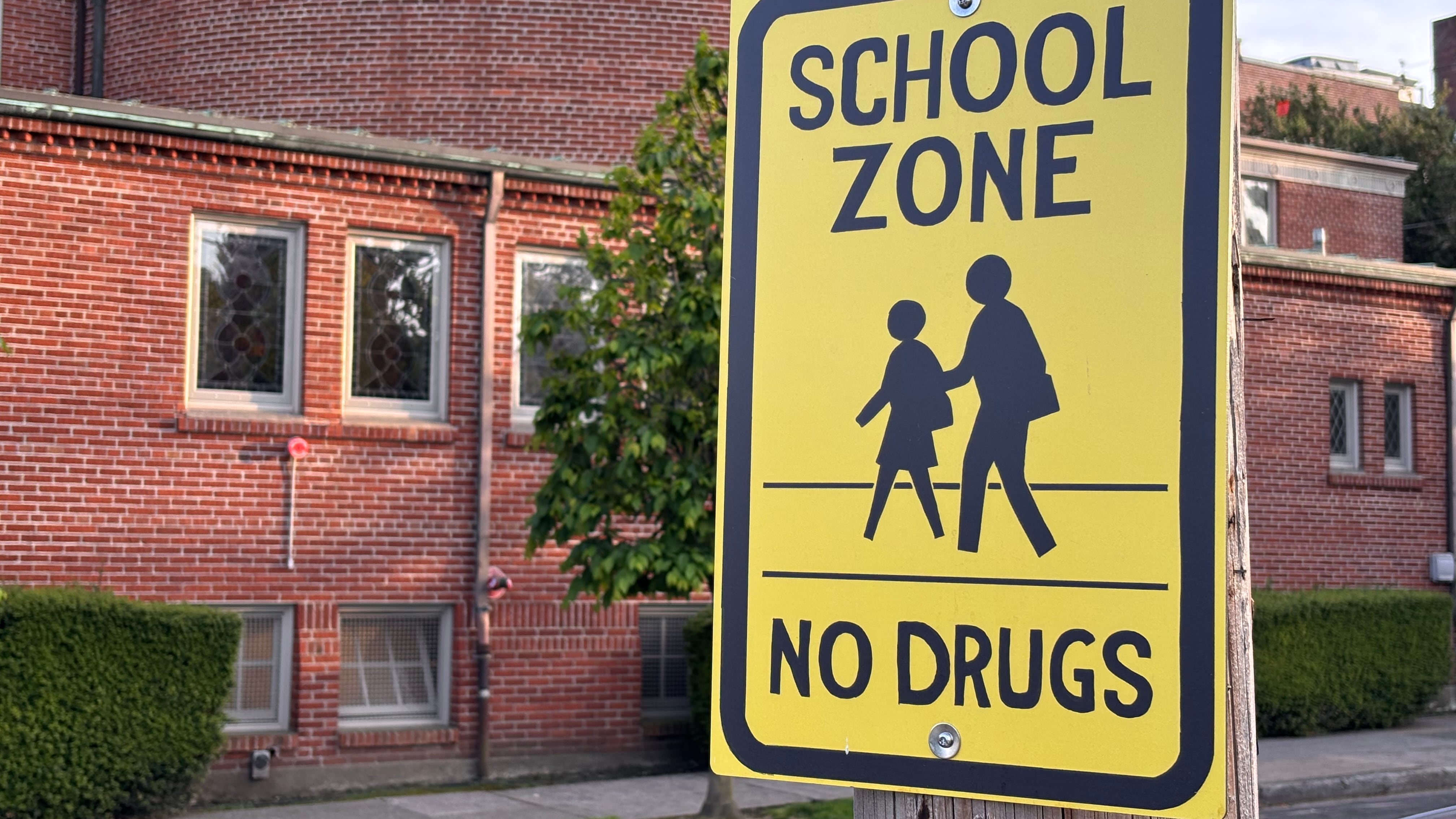
Multnomah County commissioners appeared unfazed by public comments opposing a proposed ordinance that would ban mobile syringe service programs from operating within 1,000 feet of K-12 schools at the ordinance’s first reading on Thursday.
Commissioners Julia Brim-Edwards and Meghan Moyer are co-sponsoring the proposal after a bill died in the Oregon Senate’s short session. To ensure that the state does not see the county ordinance as a replacement for state action, the commissioners unanimously passed an amendment that would end the ban on Jan. 1, 2028.
County officials estimate it will cost $131,000 to $144,000 to implement the ordinance. That figure includes education, technical assistance, tracking complaints and data collection.
In early discussions about the ordinance, commissioners have heard from a sea of parents and community members in support of the bans. But Thursday’s meeting saw the first public signals of opposition to the bill, from those who work or volunteer in harm reduction. They argued that the ordinance would endanger people with drug addictions who rely on SSPs for sterile needles, leading to increased HIV, hepatitis B and hepatitis C transmissions, as well as overdoses.
Critics also took issue with the argument that SSPs increase drug litter in their areas of operation. Zeke Harrington, a social services employee who works with homeless people, cited a 2011 study published in Drug and Alcohol Dependence that found improperly disposed syringes were much more likely to be discovered in Miami, a city without SSPs, than in San Francisco, where SSPs operate. Other studies in Los Angeles and Baltimore have drawn similar conclusions.
Supporters of the ban who spoke during public comment said such research was not applicable to their situation. Those speakers included advocates in Northwest Portland who have long complained about the Portland People’s Outreach Project’s operations near Cathedral School. (PPOP is an SSP.)
Michelle Milla, who co-founded the Stadiumhood subcommittee of the Northwest District Association and spoke in support of the ordinance, said these studies were not applicable here because PPOP is a distribution program and not an exchange, meaning they do not collect used syringes. PPOP’s website says only that it distributes supplies.
WW could not immediately reach PPOP for a direct response. But Michael Gilbert, an epidemiologist who has volunteered with PPOP, testified that the distribution site at issue could not be causing the drug litter. He said the site moved more than a year ago. He added that the ordinance would disproportionately harm those living in parts of the city that had only mobile SSPs.
Brim-Edwards and Moyer dismissed these concerns out of hand. “There’s been testimony and assertions that there’s not needle debris left in parks and in areas near schools, and that’s just not accurate to say that there isn’t debris,” Brim-Edwards said. The Multnomah County Health Department’s needle exchange program safely disposes of many used needles, Brim-Edwards said, “but the reality is, there’s still a lot of needle debris out in the community.” Cleanup crews have reported massive upticks in drug litter in recent years.
Public commenters’ concerns that the ordinance would limit SSP operations were unfounded, Moyer argued. Oregon prohibits cannabis retailers from operating within 1,000 feet of schools, she said, and there are no shortage of those. A similar limit on SSPs would have negligible effect. “If you are worried that there’s not going to be places that needle exchanges can happen,” Moyer said, “if you can easily buy cannabis near where you are, there can be a needle exchange there.”
Support for the ban continues to mount among public officials. The mayors of Portland, Gresham and Troutdale sent letters of support for the ordinance, as did the superintendents of the Centennial, Corbett, David Douglas and Reynolds school districts, alongside the Multnomah Education Service District.
A second work session for the ordinance has been scheduled for May 28 to discuss additional amendments and budgeting concerns. The second reading has been pushed to June 11, when the ordinance is expected to pass.